
Nurdle Spill: More Than a Short-Term Clean-Up
Tyne Rivers Trust is calling for sustained monitoring, collaboration and long-term action to understand the impact of the plastic pellet spill on the River Tyne and the wildlife that depends on it.
You may have heard our Chief Executive Officer, Sophia Stovall, speaking on BBC Radio Newcastle this morning, or seen her discussing the River Tyne nurdle spill in the BBC One news bulletin.
The BBC has also published an article examining the potential environmental impact of the incident and why the consequences may continue long after the immediate clean-up phase.
More Than an Immediate Response
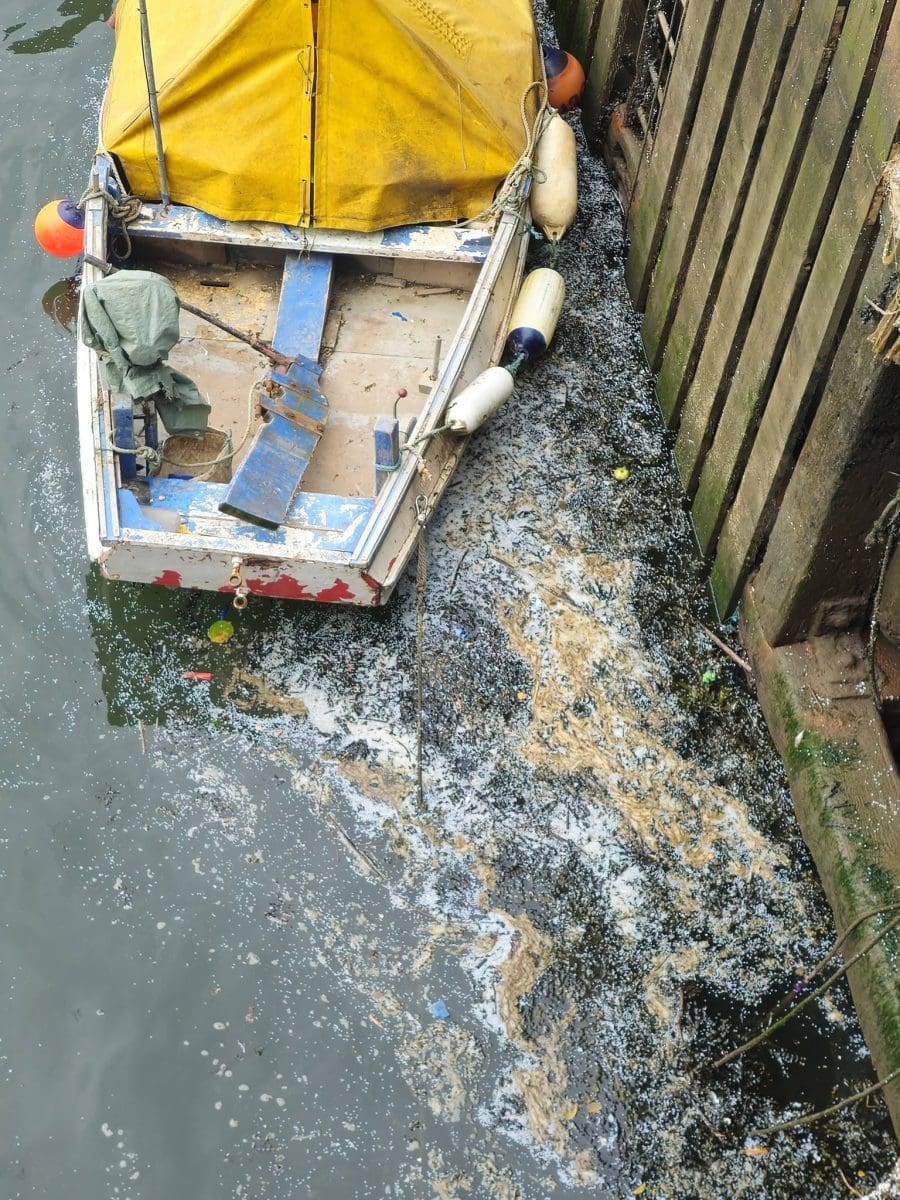
Small plastic pellets, known as nurdles, entered the River Tyne following the collision involving the Wind Orca and the berthed container vessel BG Orange at the Port of Tyne on Sunday 19 July.
Since the incident, a major response has involved the Port of Tyne, local authorities, specialist contractors, environmental agencies, community groups and volunteers working across the river and affected parts of the North East coastline.
Every pellet removed is one less in the environment, and the response from communities across the region has been remarkable.
However, the immediate recovery operation is only one part of the challenge.
Sophia Stovall said:
“It is far too early to know the full environmental consequences of this incident, but experience from other major nurdle spills suggests it is unlikely to be remembered solely as a short-term clean-up problem.
“The longer-term challenge is understanding what this incident could mean for the River Tyne, its wildlife and the wider ecosystem over the months and years ahead.”
Why Nurdles Can Have a Lasting Impact
Nurdles are small plastic pellets, usually between 1mm and 5mm in size, which are used to manufacture many everyday plastic products.
Once they enter a river or marine environment, they are extremely difficult to recover completely. They can move with tides, currents and wind, become trapped within sediments and habitats, and travel considerable distances from the original incident.
Their size and appearance also mean they can be mistaken for food by fish, seabirds and other wildlife. Ingestion can contribute to physical harm, malnutrition and starvation, while the effects can extend through the wider food chain.
Over time, nurdles can weather and break down into smaller pieces of microplastic, creating a source of pollution that may remain in the environment for years.
Sophia added:
“Our expertise is in river ecology rather than pollution incident response, but we understand the impact plastic pollution can have on fish, wildlife and habitats.
“The pellets may be small, but their potential ecological impact is not. This is also an important time for native and migratory fish, including Atlantic salmon, which rely on healthy river and estuarine habitats.”
Understanding What Happens Next
Tyne Rivers Trust is the environmental charity dedicated to protecting and improving the River Tyne and its tributaries.
Our initial response has included sharing trusted public information, supporting staff and volunteers taking part in organised clean-up activity, raising awareness of the risks to the river and helping people find the relevant local guidance.
We are now considering how our expertise in river ecology, environmental monitoring, citizen science, volunteering and partnership working can support the longer-term response.
This could include:
- understanding where nurdles are moving and accumulating
- assessing the potential impact on native species and the wider food chain
- identifying what monitoring may be required across the river and estuary
- helping communities and volunteers contribute useful observations and evidence
- ensuring information is shared effectively between organisations
- learning from the incident to help reduce the risk of future plastic pellet losses
Sophia said:
“Recovery is only part of the story. We need to understand what this incident means for fish, wildlife, habitats and the wider river ecosystem over months and years, not simply days and weeks.
“Looking after the Tyne requires sustained attention, expertise and collective support, not only when a major incident brings the river into the spotlight.”
Working Together to Protect the Tyne
This is not an issue that any single organisation can address alone.
Tyne Rivers Trust is reaching out to organisations, environmental partners and regional decision-makers involved in the response to discuss what longer-term monitoring and action may be needed.
As host organisation of the Tyne Catchment Partnership, we also have an important role in bringing together organisations working across the river system to share evidence, coordinate activity and consider what sustained action may be required.
Sophia said:
“The scale and complexity of this incident require collaboration between the Port, regulators, local authorities, environmental organisations, researchers, businesses and communities.
“We want to play a constructive role, using our expertise in river ecology, environmental monitoring, citizen science, partnership working and community engagement to support the Tyne’s long-term recovery and stewardship.”
We will share further updates as these discussions progress and as our longer-term role becomes clearer.
Prevention Must Remain the Priority
Once plastic pellets enter a river or marine environment, recovering every pellet is almost impossible.
Alongside clean-up and monitoring, Tyne Rivers Trust believes the incident should prompt wider discussion about how nurdles are handled and transported and whether stronger safeguards are needed to reduce the risk of future losses.
“We must learn from this incident,” Sophia said.
“Prevention remains the most effective form of environmental protection. Healthy rivers require ongoing care, investment and stewardship, and we must continue protecting the Tyne long after the immediate response and media attention have moved on.”
Watch, Listen and Read
Sophia spoke about Tyne Rivers Trust’s concerns and the potential long-term ecological impact of the spill on BBC Radio Newcastle and BBC One.
The BBC’s accompanying online article explores the impact on the River Tyne and the concerns for wildlife and habitats.
Read the BBC article: River Tyne plastic pellet spill
For the latest practical information, reporting routes and volunteer guidance, please read Responding to the plastic pellet spill in the River Tyne

