
Responding to the plastic pellet spill in the River Tyne
Tyne Rivers Trust is deeply concerned by the recent plastic pellet pollution affecting the River Tyne and the North East coastline following the collision at the Port of Tyne on Sunday 19 July 2026.
The collision damaged containers carrying small plastic pellets, known as nurdles, and caused a quantity of them to enter the river.
It has been widely reported that the damaged cargo may have contained up to 25 tonnes of pellets, potentially equivalent to around one billion individual nurdles. However, the exact quantity released into the environment, contained or recovered continues to be assessed by the organisations involved in the response.
Pellets have since been reported along sections of the coastline both north and south of the mouth of the Tyne.
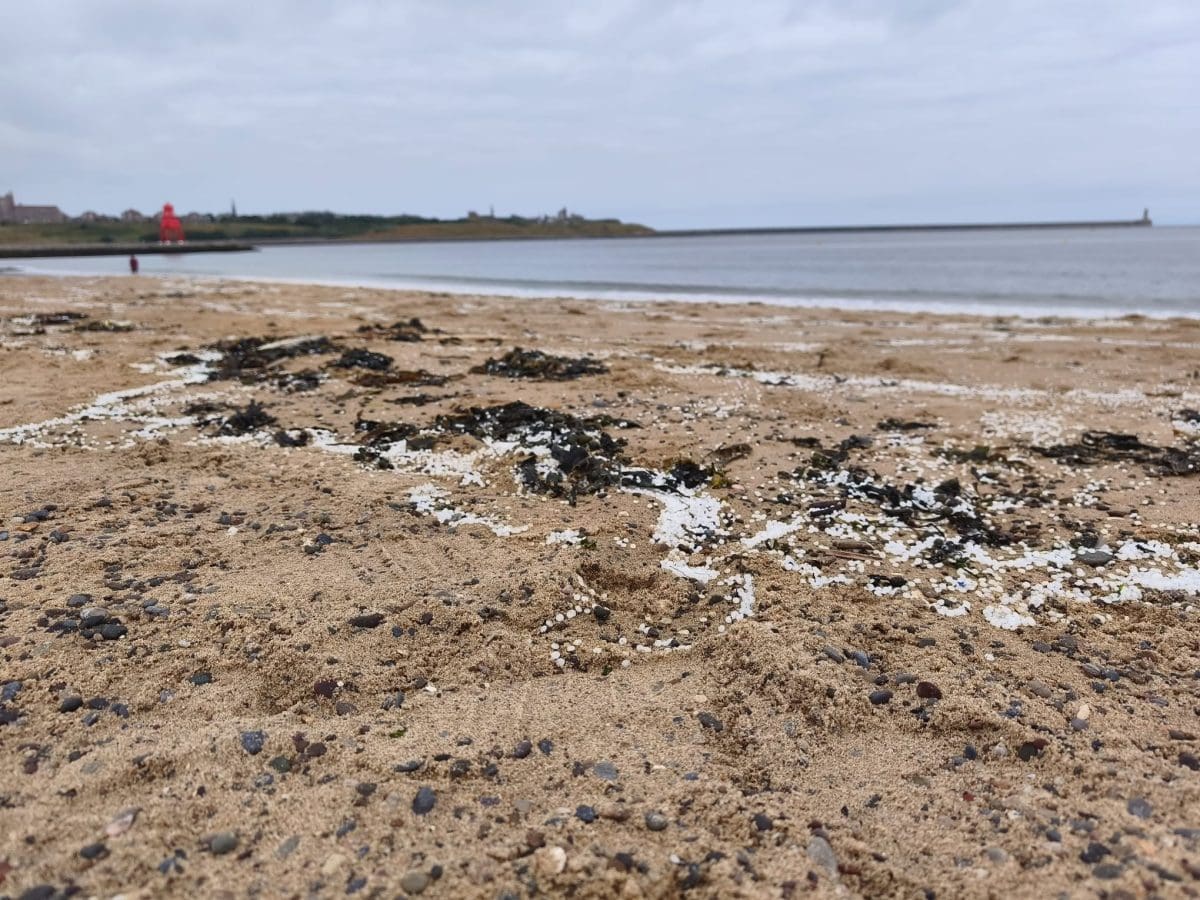
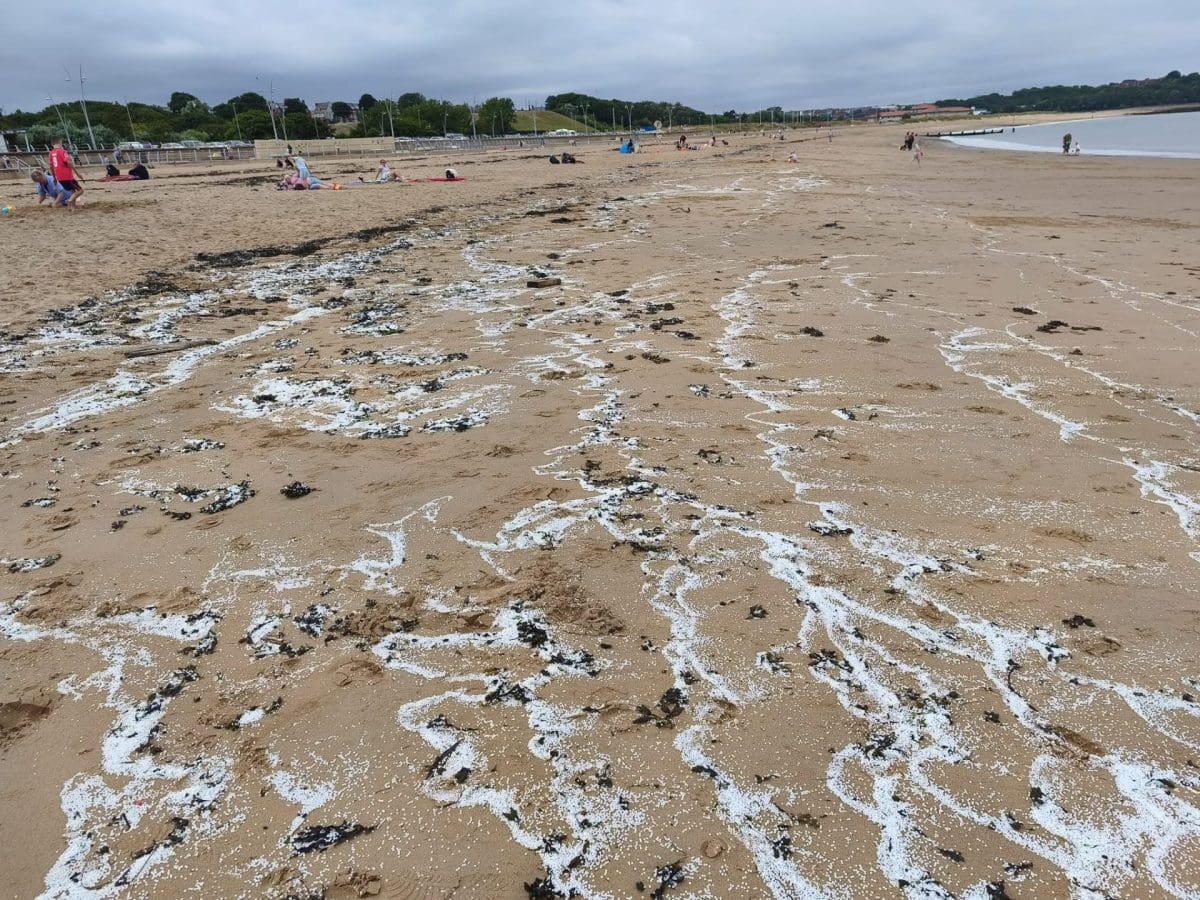
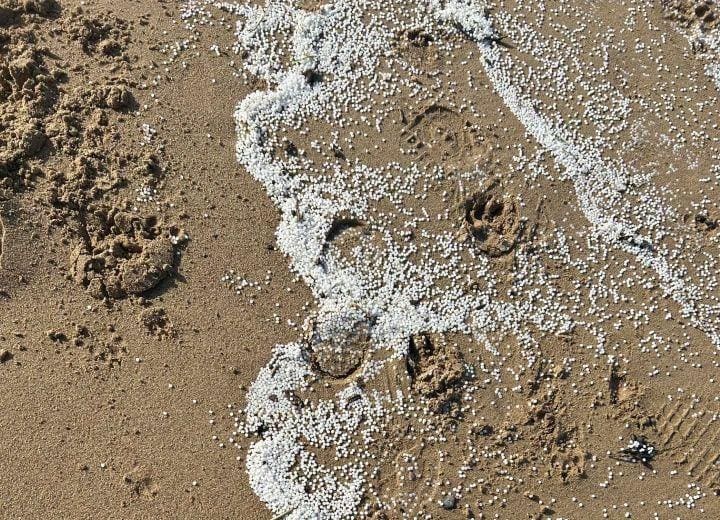
Image credit: Fidra & South Tyneside Council
Why are nurdles a concern?
Nurdles are tiny plastic pellets, usually between 1mm and 5mm in size, which are used as the raw material to manufacture many everyday plastic products, including packaging, bottles and containers.
The immediate public-health risk from the pellets is currently considered to be very low. However, they can pose a risk to wildlife and other animals if ingested.
Their small size means they may be mistaken for food by fish, seabirds and other wildlife. When ingested by wildlife, they can cause malnutrition, starvation and chemical contamination. Once released into a river or marine environment, they can also be carried considerable distances by currents, tides and wind and damage vital marine, coastal and intertidal habitats.
Nurdles are extremely difficult to recover completely. They can become mixed with sand, stones and seaweed, settle into beaches and other habitats, or fragment over time into even smaller pieces of microplastic.
A significant, coordinated response
A large-scale, multi-agency response is continuing across the River Tyne and affected parts of the North East coastline.
The Port of Tyne, local authorities, environmental agencies, specialist contractors and other organisations are working to contain and recover the pellets, monitor their movement and assess the potential environmental impact.
The operation is complex and involves work both on the river and along the coastline. Nurdles can be carried by tides, currents and wind, meaning pellets may continue to wash ashore over several tide cycles and in locations some distance from the original incident.
We recognise the considerable efforts of everyone involved in the ongoing response and the challenges of recovering such small pieces of plastic once they have entered a river and marine environment.
Investigations into the circumstances surrounding the collision are also continuing, and further information will be provided by the relevant authorities as this work progresses.
How the public can help
We know that many people across the region care deeply about the Tyne and the North East coastline and are understandably keen to help.
Local authorities are asking people not to undertake independent clean-up activities or collect pellets themselves. Specialist equipment, appropriate handling and disposal arrangements, and the accurate recording of recovered material are all important parts of the coordinated response.
Some councils are exploring how community volunteers may be able to support organised clean-up activity safely and effectively. Any confirmed volunteering opportunities will be shared through the relevant local authority’s official communication channels.
If you are visiting an affected area:
- Follow all local signs and instructions from council staff and other authorities.
- Avoid handling or independently collecting the pellets.
- Keep dogs on leads and away from affected concentrations of pellets.
- Avoid stepping on pellets or walking over large accumulations, as this can push them deeper into the beach surface.
- Report sightings through the appropriate local authority.
- Check official guidance before visiting, as advice may change while the response continues.
Latest guidance and reporting information
Advice and reporting arrangements vary according to where the pellets are found. Please use the relevant official source below.
South Tyneside
South Tyneside Council is asking people who see pellets on its beaches or shoreline to report the location, approximate quantity, date and time, and include a photograph where possible.
Read South Tyneside Council’s latest guidance and reporting information
Reports can also be emailed to:
North Tyneside
North Tyneside Council is coordinating clean-up activity and monitoring affected beaches.
The council is currently asking members of the public not to carry out independent clean-ups or collect pellets themselves. It is exploring how community volunteers may be able to support the response safely and effectively, and any confirmed opportunities will be shared through its official communication channels.
Read North Tyneside Council’s latest guidance and volunteering information
Northumberland
Northumberland County Council is asking people who see nurdles on the county’s beaches to report them through Fix MyStreet.
Reports should include the location, an approximate amount seen, the date and time observed, and a photograph where possible.
Report plastic pellet sightings in Northumberland through Fix MyStreet
People can also support the clean-up operation by avoiding stepping on pellets or pushing them deeper into the beach surface.
Sunderland
Sunderland City Council is monitoring affected parts of its coastline and has an online form for reporting sightings.
Read Sunderland City Council’s latest update and report plastic pellets
Other environmental pollution reports
For water pollution or serious environmental concerns elsewhere in England, reports can be made to the Environment Agency online.
Report an environmental problem to the Environment Agency
The Environment Agency’s 24-hour incident hotline is:
0800 80 70 60
The Great Nurdle Hunt
Sightings can also be logged with The Great Nurdle Hunt, run by environmental charity FIDRA. This helps document the extent and movement of plastic pellet pollution.
Read The Great Nurdle Hunt’s Tyne spill information and submit a sighting
Logging a sighting with The Great Nurdle Hunt does not replace reporting it to the appropriate local authority.
Port of Tyne updates
The Port of Tyne is publishing updates on the collision, the recovery and clean-up operation, public guidance and the investigations taking place.
Read the Port of Tyne pellet incident questions and answers
Working together from source to sea
This incident demonstrates how closely connected the River Tyne is to the North Sea and how quickly materials entering the river can be transported across a wider area.
It also reinforces the importance of organisations, businesses, public bodies, land managers, communities and environmental charities working together across the whole catchment.
Tyne Rivers Trust works to improve water quality, restore habitats and protect the River Tyne and its tributaries. Our rivers face many different pressures, from major and highly visible pollution incidents to the less obvious impacts of litter, chemicals, road runoff, soil and sediment.
Addressing those pressures requires scientific knowledge, practical conservation, responsible management, strong partnerships and communities that understand and value their local waterways.
Information and public guidance last checked: 27 July 2026. Advice, reporting arrangements and volunteering opportunities may change, so please refer to the linked organisations for the latest updates.

