
Marching Forward: A Month of Mud, Muscle, and Meaningful Change
March is often a month of transition, but for our dedicated volunteers, it was a month of relentless action. From the banks of the South Tyne to the woodlands near Otterburn, our teams braved the unpredictable spring weather to complete seven major tasks aimed at protecting our local ecosystems.
Here’s a look at what we achieved together over the 31 days of March 2026.
The Willow Project: From Harvest to Habitat
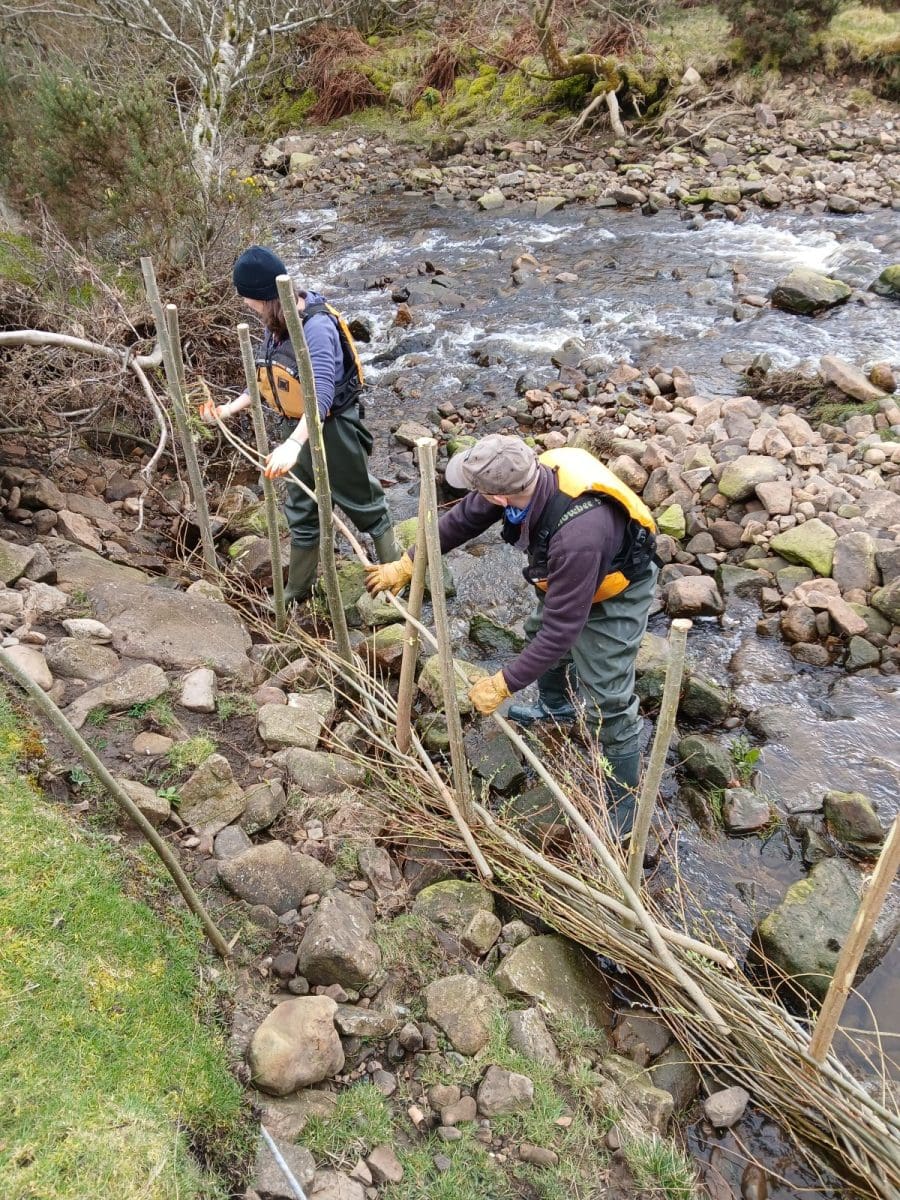
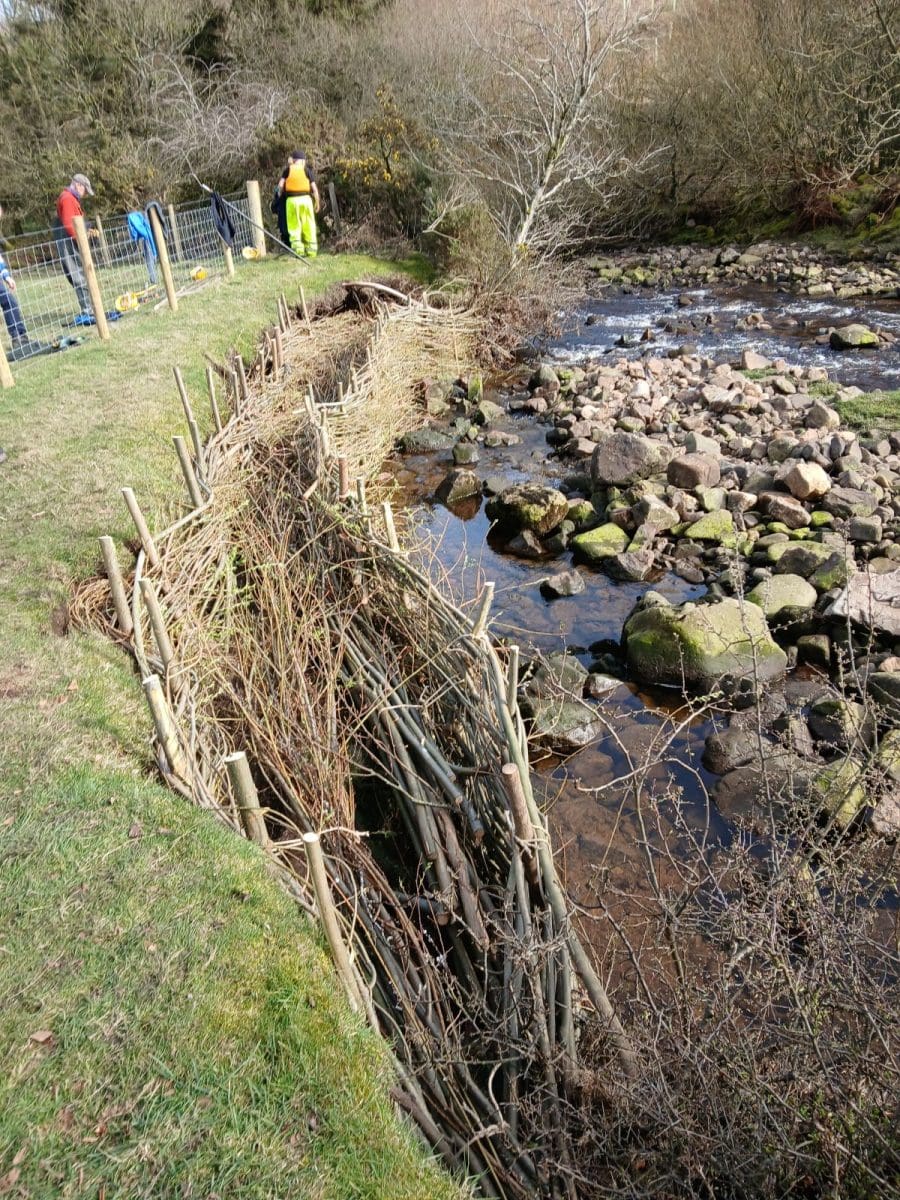
Much of our focus this month was on willow spiling—a traditional, “living” engineering technique used to prevent riverbank erosion. This process is labour-intensive and requires careful preparation.
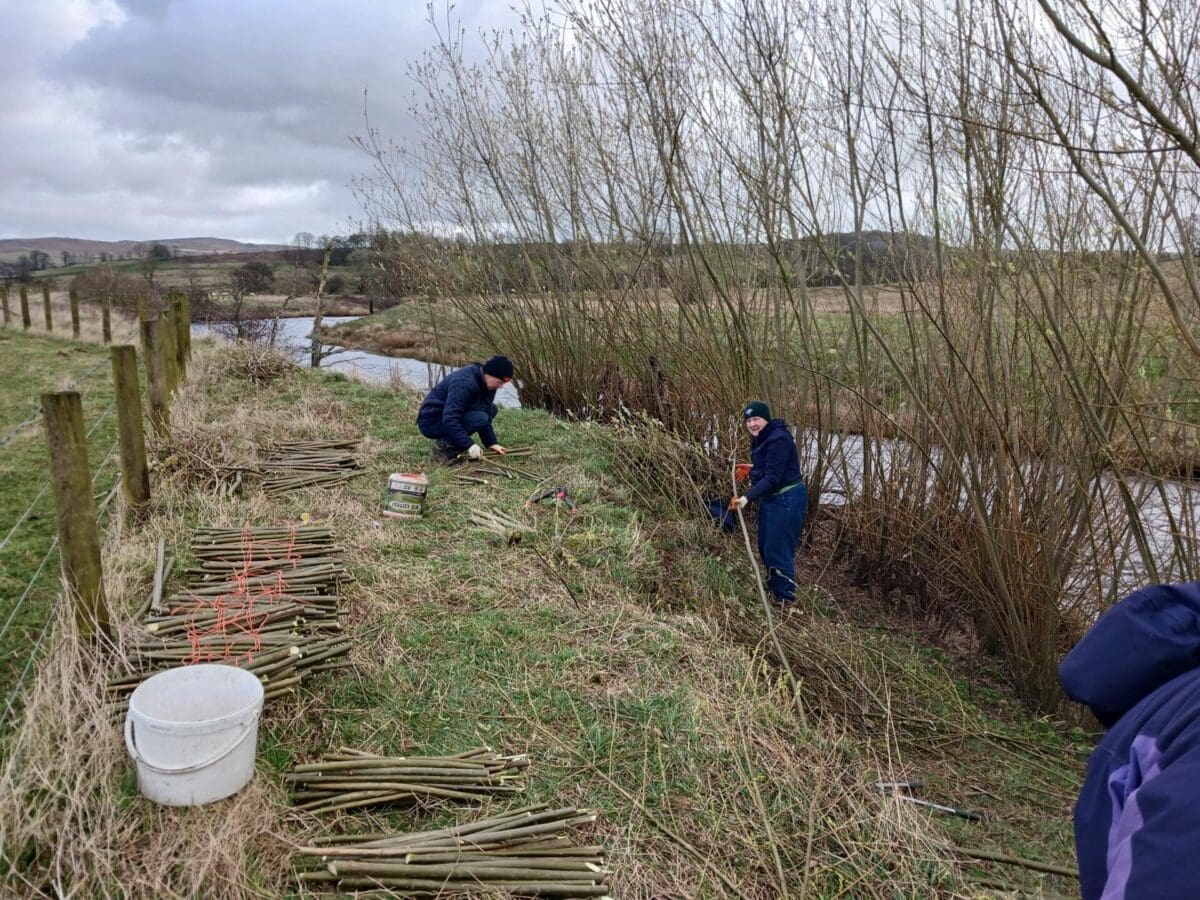
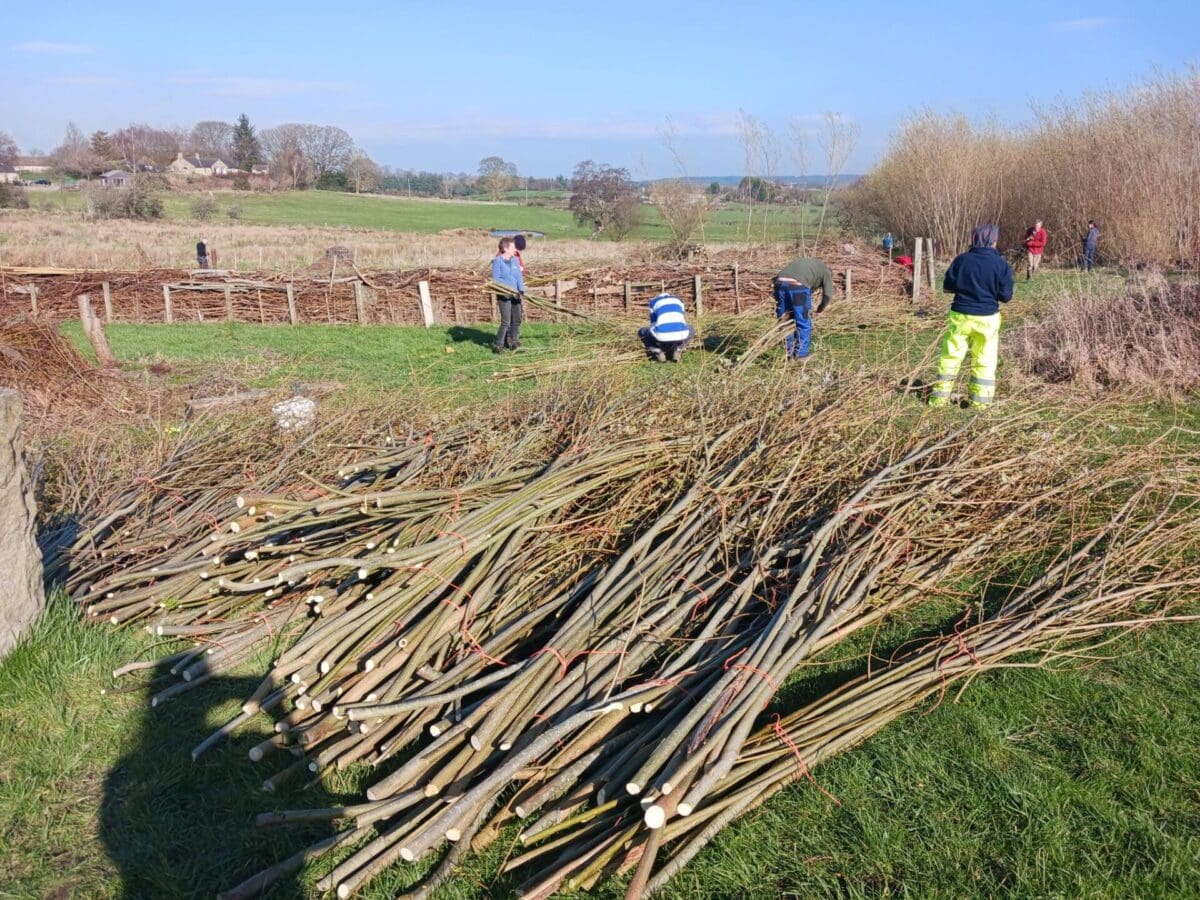
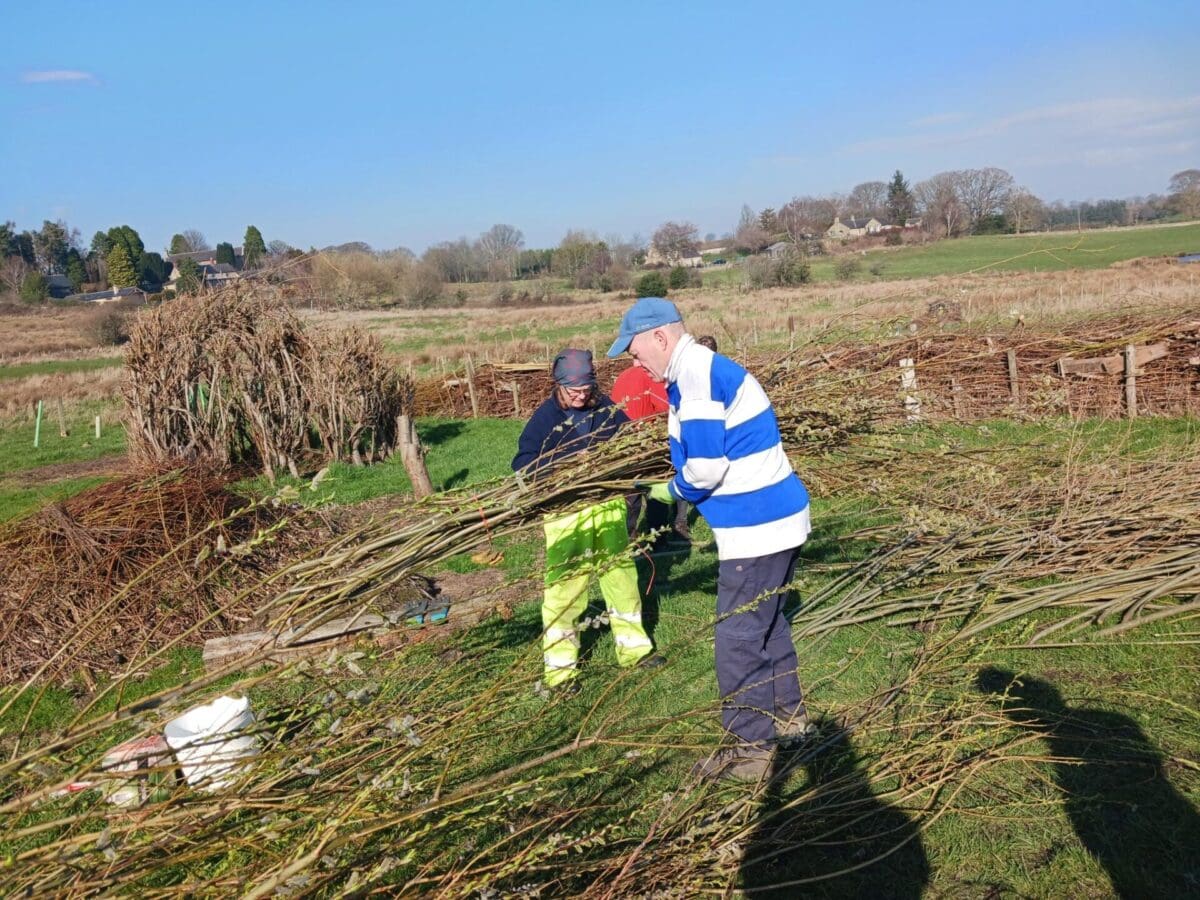
- Harvesting at Whitley Chapel: We kicked things off by cutting fresh willow to be used as our primary building material.
- The Big Move: A huge thank you to the team who helped transport the harvested willow between sites using Hexham Trailers. Moving bulk materials like this is no small feat!
- Willow Pegs at West Woodburn: We spent a day harvesting willow pegs to be used for local planting, ensuring we have a sustainable source of new growth.
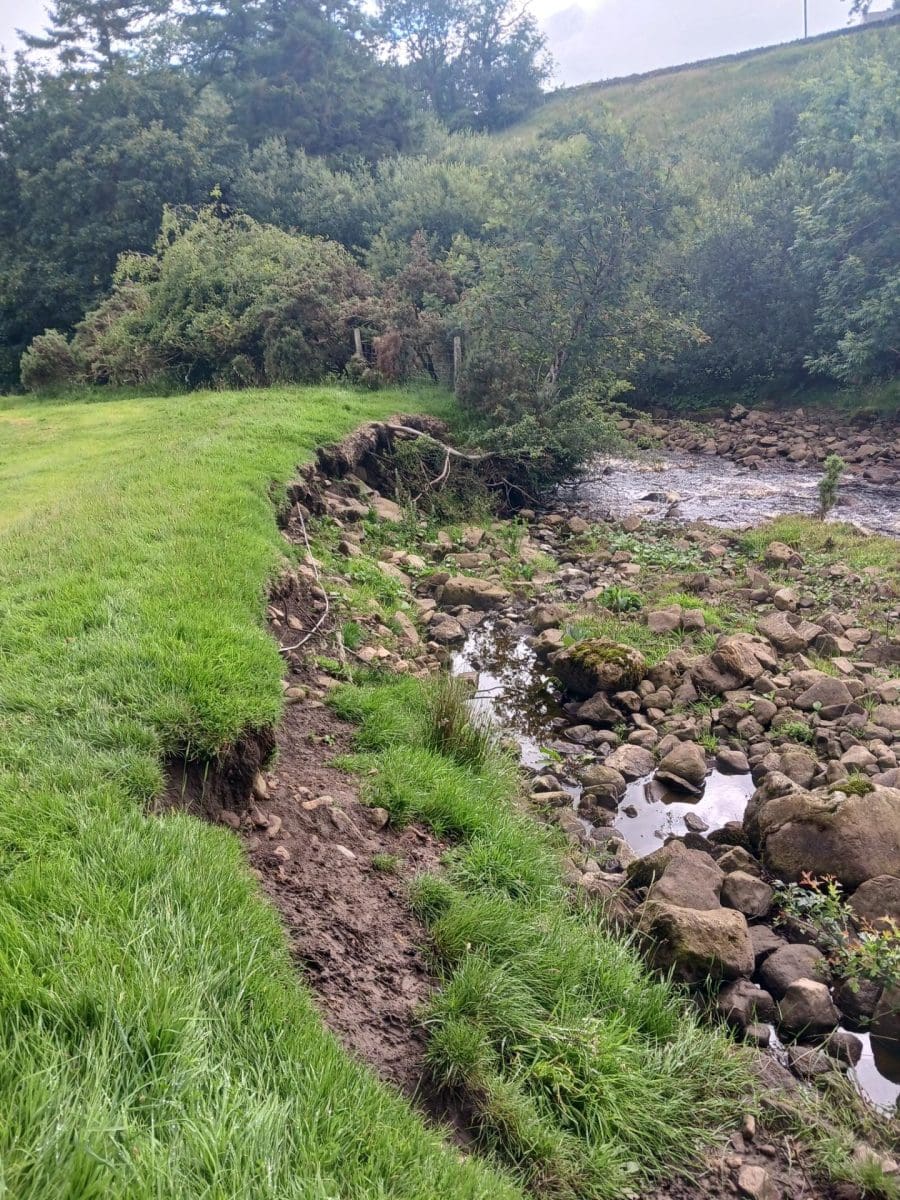
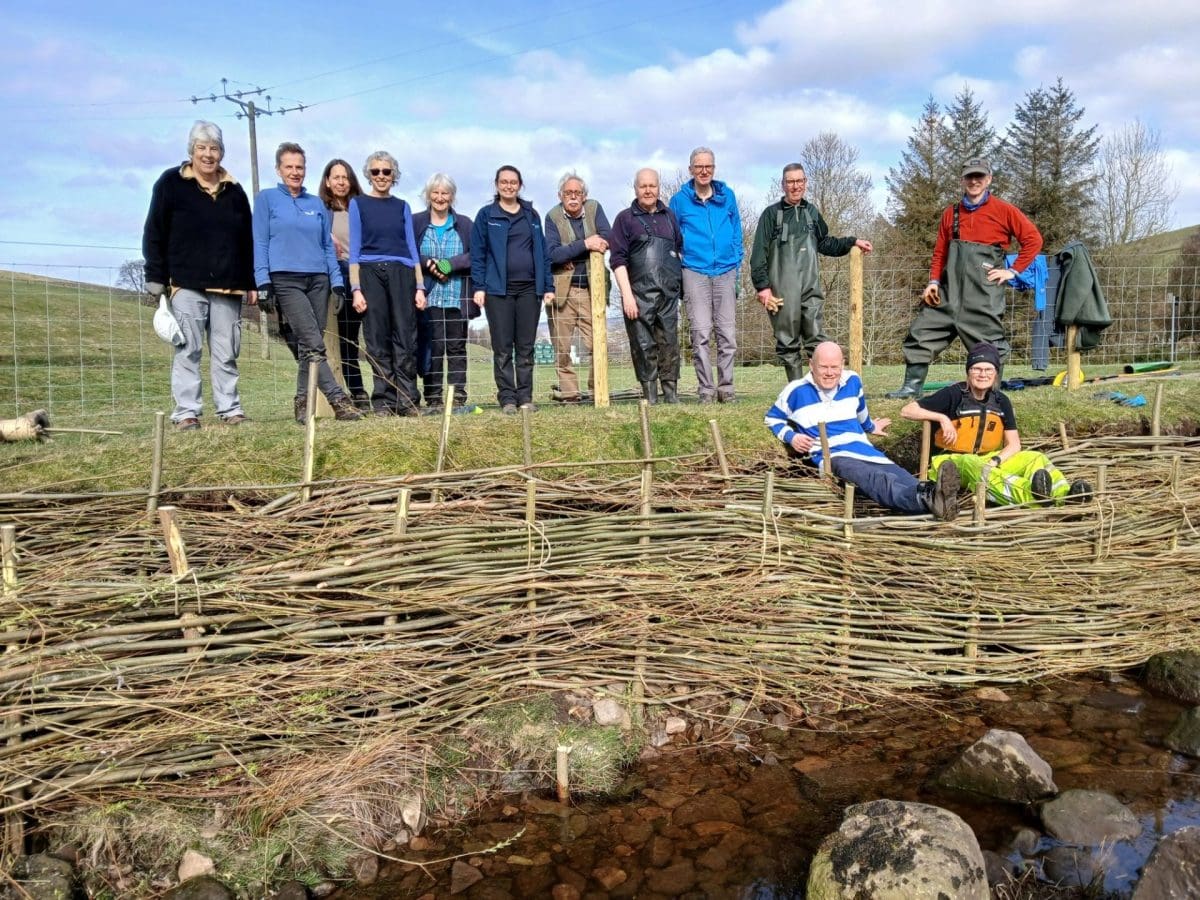
- Spiling at Slaggyford: The hard work culminated in the installation of willow spiling along an essential salmon stream. By stabilizing the bank, we are reducing sediment input—a critical factor for the health of spawning salmon.
Planting for the Future
While the willow teams were busy on the banks, our planting crews were out in force across the region, adding 425 new trees to the landscape.
- Haydon Bridge: We revisited previous sites to replace trees that hadn’t survived, ensuring our long-term restoration goals stay on track.
- Tindale: Our focus here was on biodiversity. By planting a variety of species, we’re creating a more resilient habitat for local wildlife.
- Otterburn: In a specialised effort to protect the rare freshwater pearl mussel, we planted trees along the water’s edge. Once grown, these will provide the vital shade needed to keep water temperatures cool and stable.
Science on the Side: Smart Rivers
It wasn’t all digging and hauling! Our volunteers also dedicated 30 hours to the Smart Rivers citizen science project. This data collection is vital for monitoring the health of our waterways, allowing us to make evidence-based decisions for future conservation efforts.
March by the Numbers
The impact of our volunteers’ hard work is best seen in the final tally for the month:
| Category | Achievement |
| Total Trees Planted | 425 |
| Willow Spiling Installed | 20 Meters |
| Total Volunteer Hours | 360 Hours |
| Tasks Completed | 7 |
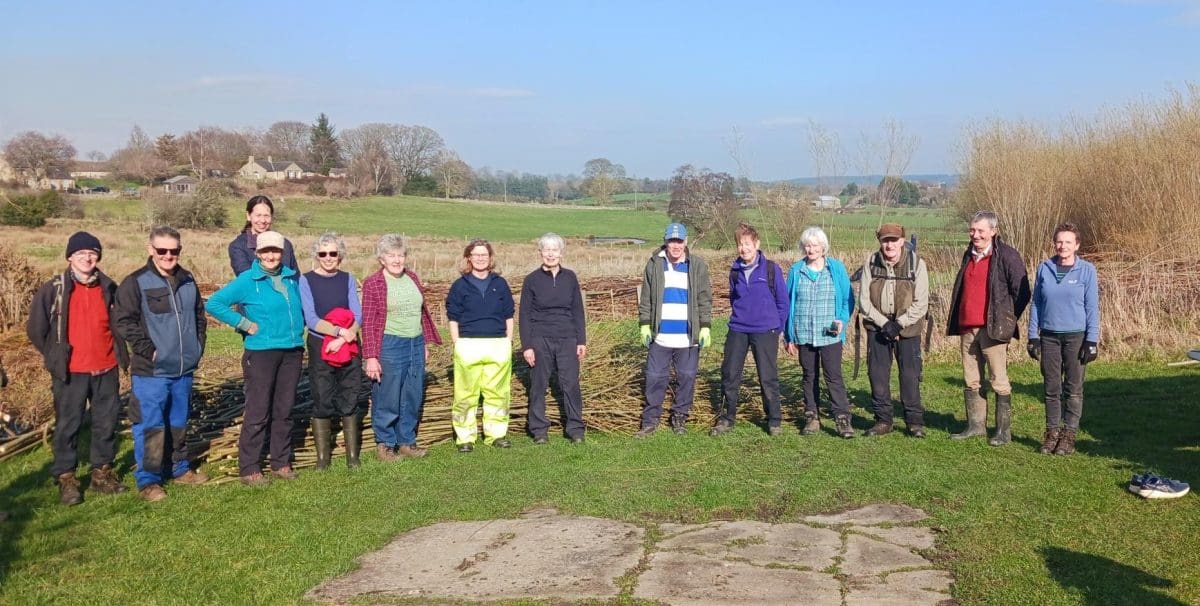
A Note of Thanks: Whether you were hauling willow in a trailer, monitoring river invertebrates, or bracing against the wind to plant a sapling—thank you. We couldn’t do this without your grit and passion for our natural world.
Want to join us in April? Let us know by emailing our volunteer coordinators at volunteer@tyneriverstrust.org

