
New North East Invasive Species Strategy
Our new North East Invasive Species Strategy and Action Plan is here!
Working alongside the North East Biosecurity partnership, we have updated the regional strategy which aims to develop and maintain cost-effective strategic approaches to prevent, detect, control and eradicate specified INNS in North East landscapes through coordinated action. It can be found on our website here: https://www.tyneriverstrust.org/project/invasive-species/
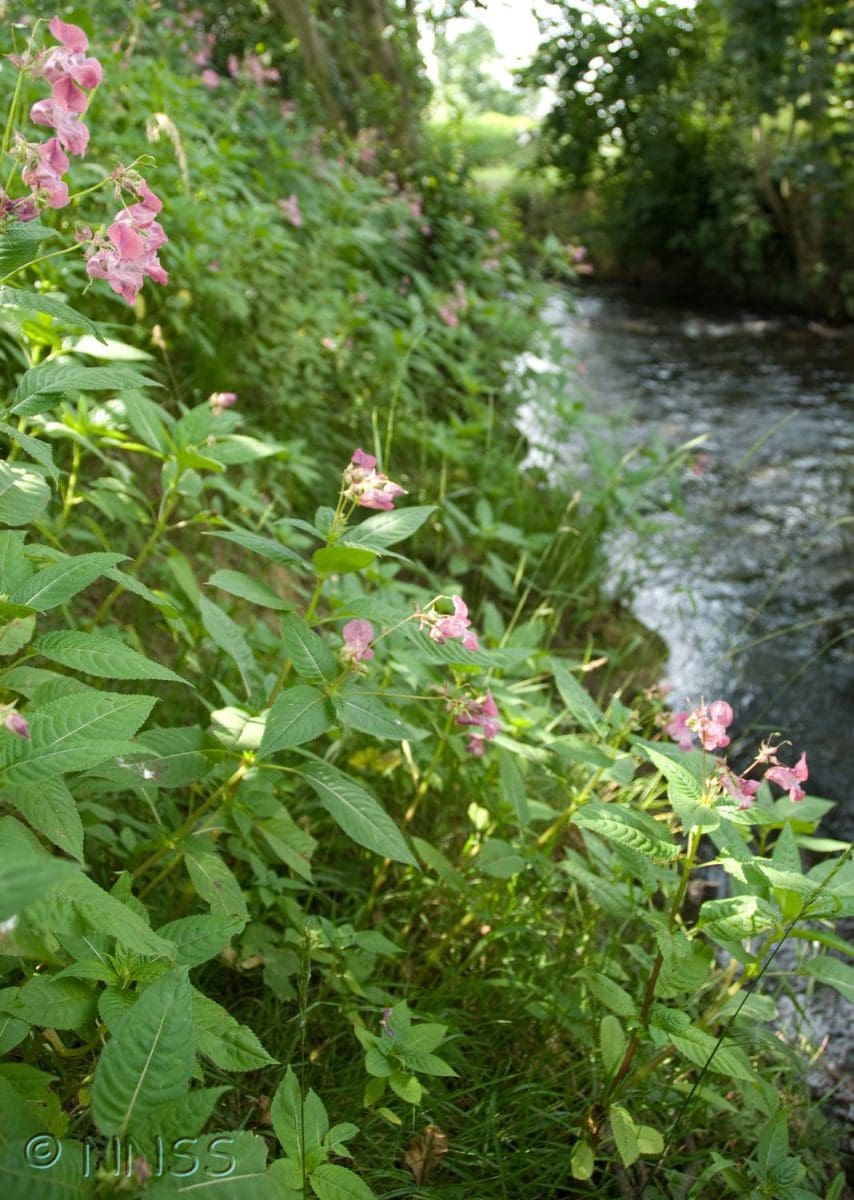
In the North East of England, invasive species are found across freshwater, terrestrial and marine habitats, with many of the widespread species ubiquitous across the UK. However, some species causing significant impacts elsewhere in Britain have not yet widely established in the region. For example, freshwater catchments in the region have only occasional records of American skunk cabbage, which left unchecked could pose significant future threat. In contrast the sand dune system on Lindisfarne has been heavily invaded by the pirri-pirri burr, which is not widespread elsewhere in GB and local efforts to reduce spread and suppress impacts particularly along the North East coastline are ongoing and important at a regional scale. Regional focus is vital as species prioritisation processes such as Horizon Scanning, Risk Management and Early Warning Rapid Response carried out at a national level often don’t inform regionally specific species threats or management priorities.
Without a strategic, coordinated and sustainable approach to the prevention of introduction and control of the spread of INNS across the North East region, it is likely that the ecological, social and economic impacts and the costs for mitigation, control and eradication of these species will continue to increase.
Particular focus will be placed on preventing the arrival of high-impact species that are not yet established in the NE of England and management of those with restricted distribution and/or low abundance within our geographic context. Coordinated action will contribute to work on containing species approaching the region’s boundaries and to facilitating sustainable, strategic and cost-effective means of control or eradication.
We work with a partnership of over 25 organisations to prevent, detect, control and eradicate specified INNS in the region.

