
Restoration project begins at nature reserve
An important collaborative project to restore and re-naturalise the Whitecroft Burn at Gosforth Nature Reserve which commenced this month, is already showing signs of success.
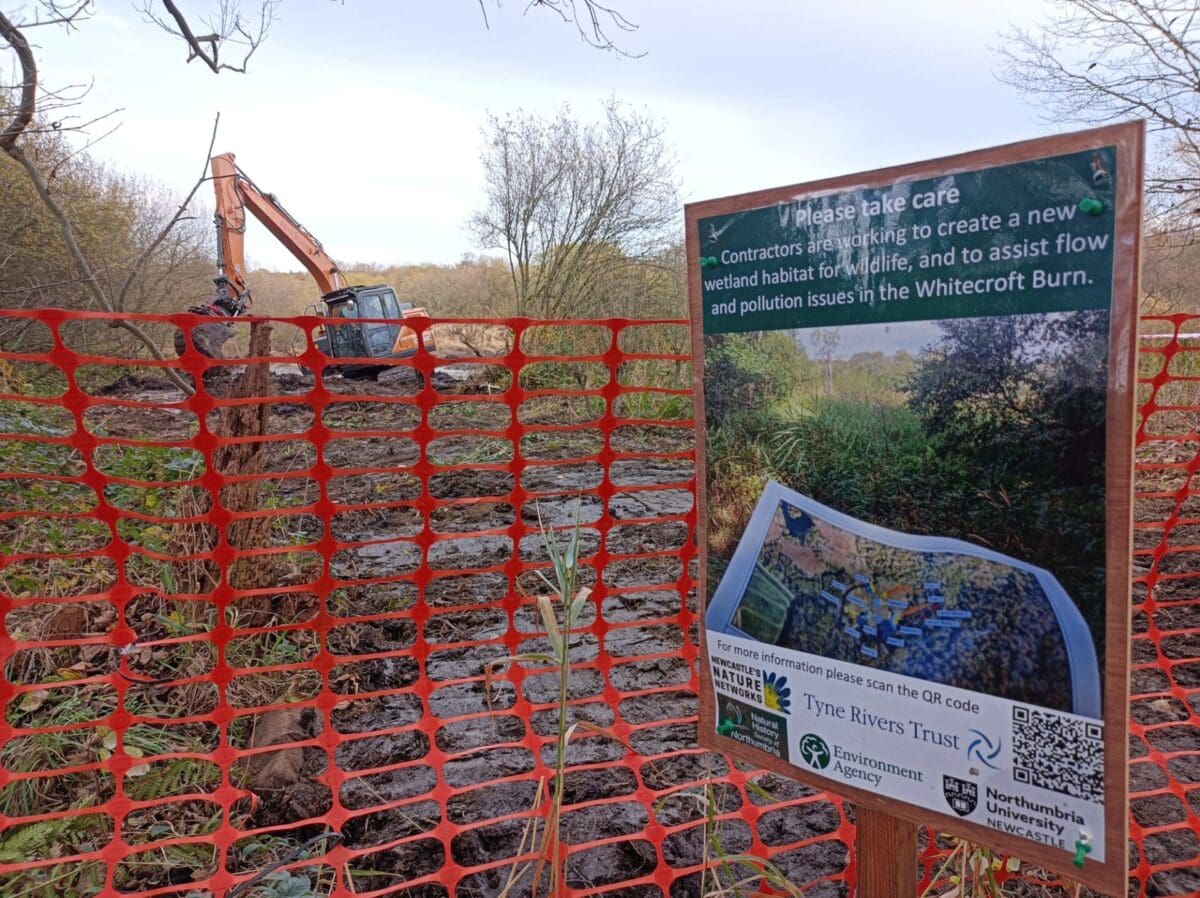
The Whitecroft Burn project aims to significantly improve local flood resilience, water quality, and biodiversity using innovative, nature-based solutions.
The primary goal is to return the Whitecroft Burn to a more natural watercourse. This will be achieved through the creation of a system of wetlands and ponds, which will, in turn, improve water quality and create a more diverse, resilient habitat for wildlife in an area previously vulnerable to flooding and pollution.
Nature-based solutions are central to the initiative, designed to help slow the flow of water. This will also have the benefit of reducing sediment and trapping pollutants before they run downstream. By increasing the available space to store water on the site, the project will establish a mosaic of habitats, allowing for a greater diversity of wildlife to thrive.
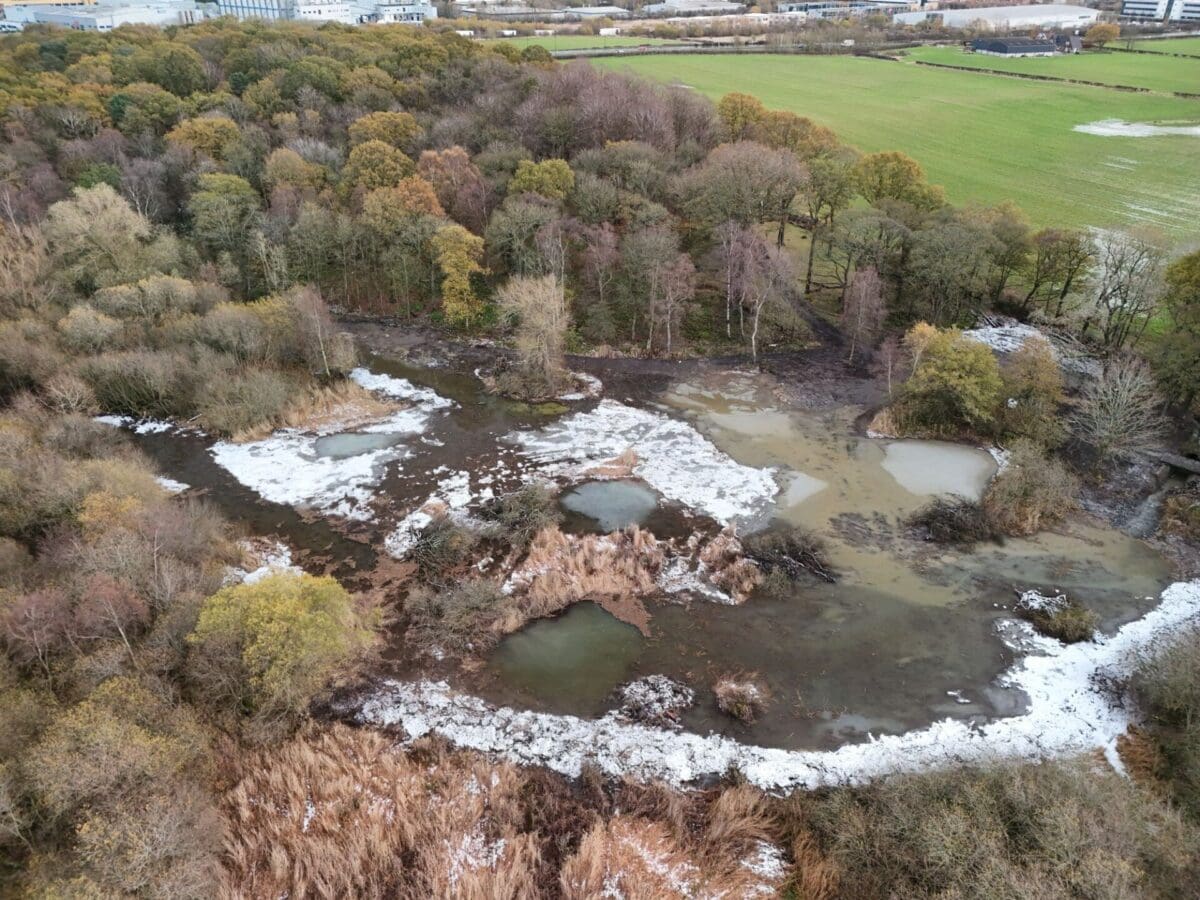
The project is being carried out by a partnership consisting of Tyne Rivers Trust, the Natural History Society of Northumbria (NHSN), the Environment Agency, and Northumbria University. Gosforth Nature Reserve, which has been under the management of NHSN since 1929, is the North East’s oldest nature reserve and a nationally significant sanctuary for wildlife and plants.
Maddy Fowler, urban catchments project manager for Tyne Rivers Trust, highlighted the importance of the collaboration:
“The Whitecroft Burn project is a fantastic example of what can be achieved when multiple organisations come together with a shared vision. By using nature-based solutions, we’re not only restoring the river to its natural state and mitigating flood risk, but we’re also creating a more biodiverse and resilient ecosystem for future generations to enjoy. This partnership is a testament to our collective commitment to a healthier environment.”
Clare Freeman, director of NHSN said: “The pollution and flooding around Whitecroft Burn has been an issue for decades, so it is both exciting and reassuring that these issues can be addressed. At a time of biodiversity decline it is rewarding to create wetland habitats to increase the value to both wildlife and people.”
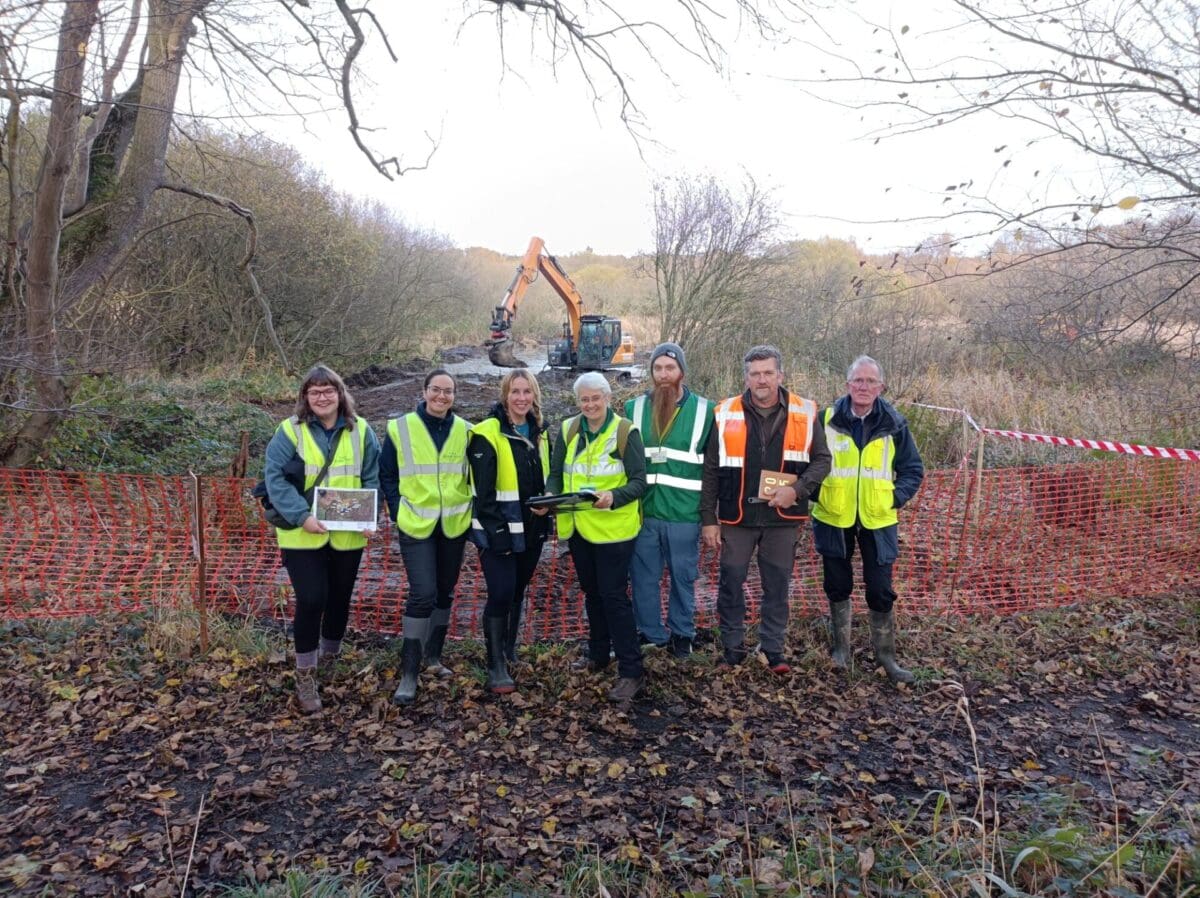
Rebecca O’Connell, environment programme team leader at the Environment Agency, said: “This exciting partnership project in one of the city’s important nature reserves will bring multiple benefits for people and wildlife.
“Returning the burn to a more natural state will not only improve water quality but it will create vital wetland and pond habitats to boost wildlife and reduce flood risk down stream.
“Those visiting this wonderful nature reserve will be able to enjoy the benefits now and into the future.”
The project is part of the Newcastle’s Nature Networks project which is funded by the Species Survival Fund which is a partnership of the Department for Environment, Food and Rural Affairs (Defra) and the National Lottery Heritage Fund launched to help halt and reverse the decline in species abundance, by preserving vital habitats.
Clare Freeman added, “To see the man-made culvert removed last week and return the burn to a more natural state of flow was an exciting and historic moment in Gosforth Nature Reserve’s history. To have worked with other organisations such as Tyne Rivers Trust, the Environment Agency, and Northumbria University has been an exemplar of trusted, positive collaborative working. This will be a huge benefit for nature at this key site in the wildlife enhancement corridor. I can’t wait to see what wildlife these new habitats attract and to share this wildlife with reserve visitors, especially local school children.”

